TMD Treatment in Lincolnwood, IL
Living with jaw pain, muscle tension, or chronic headaches can take a toll on your overall well-being. At Raymond G. Hatland, DDS, we believe in treating these issues without rushing to surgery or relying on one-size-fits-all solutions. To help with these challenges, we offer gentle, non-invasive TMD treatment to address the underlying causes of your discomfort.
As a holistic dentist, Dr. Hatland takes a whole-body approach to care. If you’re dealing with muscle tension, bite problems, or stress-related clenching, we’re here to help you find long-term relief through personalized treatment.
What Is the Difference Between TMJ and TMD?
“TMJ” is short for temporomandibular joint. This jaw joint is located on each side of your skull, in front of your ear. It allows your mouth to open and close and move forward and backward. When functioning normally, you can make these movements smoothly and without pain.
However, some people are diagnosed with “TMD” or “TMJD,” which refers to TMJ disorder or dysfunction. For them, the joint breaks down and doesn’t function as it should, and the muscles get very tense. They may experience symptoms like:
- Jaw pain, especially around the joint or in the chewing muscles
- Clicking or popping sounds when opening the mouth. These sounds may or may not be accompanied by pain
- Limited jaw movement
- Difficulty or pain when chewing
- A feeling that the top and bottom teeth don’t fit together properly
- Headaches
- Ear problems, such as pain or a ringing sound
These symptoms can be persistent or intermittent. Sometimes, symptoms persist over long periods, while at other times, they worsen with movement or during periods of high stress.
Causes of TMJ Disorder

TMJ disorder often has more than one cause, and many people experience multiple contributing factors. However, some of the most common causes include:
- Clenching and grinding (bruxism), especially while sleeping. For many, this habit originates in childhood
- Direct trauma to the face or jaw
- Stress and anxiety disorders
- Poor posture and the strain that comes with it
- Nutritional choices (caffeine can increase tension and promote clenching, and sugar can increase overall inflammation)
- Malocclusion (bite problems)
TMJ disorder is typically the result of several overlapping causes rather than a single issue. What makes it even more complex is that these causes often aggravate each other. Take stress, for example. When you’re experiencing high levels of stress, you’re more likely to clench and grind your teeth. This, in turn, puts strain on your TMJ.
Many people with TMJ disorder experience multiple issues at once. Sometimes, the joint itself doesn’t move smoothly. Other times, the muscles used for chewing become sore or fatigued from being overworked. This combination of joint and muscle problems often leads to persistent discomfort.
What Does TMD Treatment Do?
One of our primary aims in TMD treatment is to reduce strain on your joint and muscles. For many of our patients, an unbalanced bite is a root cause of TMJ strain. If your teeth don’t fit together evenly, it can cause your jaw muscles and joints to work harder to adjust. This extra work can make your jaw muscles tired and sore, and sometimes painful.
Stress can make you more likely to clench or grind your teeth, especially if your bite is off. This clenching adds even more tension to your jaw muscles and joints.
Even small problems with your bite, such as those caused by a filling that’s a little too high, can throw off the balance and cause your muscles to overwork.
 Dr. Hatland has been successfully treating TMD without surgery for over 50 years. Sometimes, TMD treatment looks like carefully reshaping the surfaces of the teeth to make the bite more even or balanced. This dental procedure removes small high spots or uneven contacts on your teeth that cause the jaw muscles and joints to overwork.
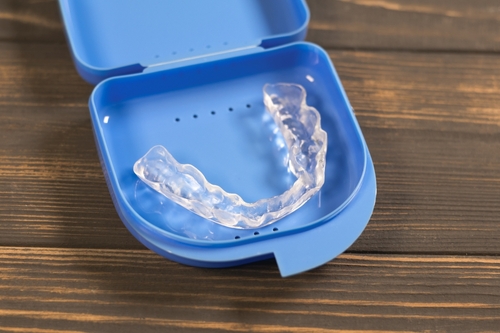
In some cases, we can perfect your bite with an oral appliance that you wear at night. It gently repositions the jaw so it relaxes to a more optimal and natural position. The appliance helps take pressure off the joint and often leads to fewer symptoms, such as jaw pain or headaches.
If this option is right for you, we will customize your appliance to perfectly fit your mouth. We can also adjust it gradually to find the most comfortable jaw position.
Restore Comfort With Holistic TMD Treatment
At Raymond G. Hatland, DDS, our TMD treatment options are part of our holistic approach to dentistry. We know that problems with the jaw are deeply connected to your overall wellness. To alleviate your pain and improve your quality of life, we look beyond symptoms to identify and address root causes of jaw discomfort, including stress, bite imbalances, and lifestyle factors.
By aligning your bite and easing muscle tension, we help you achieve lasting relief without invasive oral surgery or temporary fixes. With gentle dentistry and custom oral appliances, we can help you feel better, function better, and live more comfortably.
If you’re dealing with jaw pain or other TMD symptoms, schedule a consultation today to learn how we can help.
Frequently Asked Questions
We keep our TMD treatment affordable because no one should have to live with jaw pain just because of price. While many specialists charge about $5,000 for a TMJ appliance, Dr. Hatland offers custom-made mouthpieces for significantly less. And here’s the best part: we’ve seen time and time again that our approach delivers better results!
With over 50 years of experience and a holistic philosophy, Dr. Hatland focuses on what actually works, not what’s most expensive. Every appliance is crafted to support your natural bite, reduce tension, and help you feel more like yourself again.
Sometimes, mild cases of TMD can ease up with rest, stress management, or avoiding certain habits. However, many people find their symptoms persist or even worsen over time. Jaw pain, clenching, headaches, or clicking joints can keep coming back unless the root cause is addressed.
At our practice, we take a gentle, conservative approach to help your jaw heal and rebalance. If your symptoms are bothering you, don’t just hope they’ll go away. We can help you feel better sooner rather than later.
Yes, you can! However, we’ll want to make sure your jaw is stable and healthy first. Dental implants rely on proper bite alignment and joint function for long-term success. Unfortunately, habits like clenching or grinding can put extra stress on implants, increasing the risk of damage or failure.
If you’re dealing with TMD, we’ll first address any tension or bite imbalance that could interfere with implant healing. Once your jaw is in a better place (literally and figuratively), we can move forward with implant treatment more confidently. Your comfort and long-term wellness are always the priority, so we take a thoughtful, step-by-step approach to ensure your results last.