
My Reverse Gum Disease Program w/o Surgery
A question I often receive from periodontal patients is, “Can you reverse gum disease?”
Not only can you reverse gum disease, but it is now possible and routine at my Lincolnwood and Indianapolis dental offices to reverse periodontal disease without surgery. The Reverse Gum Disease Program is a unique, patient-friendly training program that remains extremely popular with my patients. The program enables patients to eliminate gum disease and teaches them to maintain disease-free periodontal structures.
If you are interested in learning how to reverse periodontal disease, schedule a consultation today.
The Stages of Gum Disease
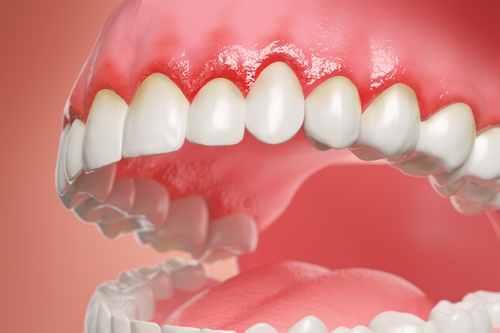 Gum disease threatens the health not only of the gums but also of the teeth and bone supporting the teeth.
Many cases of gum disease are caused by poor oral hygiene habits. Not brushing and flossing allows food particles and bacteria to remain in the mouth, forming a sticky film called plaque on the teeth. Although plaque can be removed by brushing or flossing, if left on the teeth for too long, it can harden into tartar, which cannot be removed by at-home oral hygiene.
The bacteria in plaque and tartar irritate and inflame the gums, causing the early stage of gum disease known as gingivitis. With gingivitis, the gums are usually red, swollen, and bleed easily.
If left undetected and untreated, gingivitis can progress into the more advanced form of gum disease called periodontitis. During this stage, the gum tissue begins to pull away from the teeth, forming pockets that can harbor additional bacteria. It is the body’s chronic inflammatory response that starts breaking down the bone and connective tissue supporting the teeth. Gradually and very softly, the structures holding the teeth in place are destroyed. If not addressed, the teeth can eventually loosen, fall out, or require extraction.
In addition to poor oral hygiene, the following factors can increase the risk of gum disease:
- Tobacco use
- Diabetes
- Advancing age
- Genetics
- Stress
- Hormonal fluctuations in women (e.g., those that occur during pregnancy)
- Certain medications (including those that reduce the flow of saliva)
- Poor nutrition
Gum disease has been linked to other serious systemic health problems. For example, some studies indicate that people with gum disease are more likely to suffer from heart problems, diabetes, and stroke. Women with gum disease may be at a higher risk of delivering pre-term, low birth weight babies. Compelling research indicates a strong association between gum disease and health problems beyond the mouth.
For the health of your mouth and your entire body, we encourage you to be diligent about your at-home oral hygiene habits and general health practices. Brush and floss daily, do not smoke and stay on top of routine dental check-ups and cleanings.
Symptoms of Gum Disease
One of the most obvious symptoms of gum disease is red, swollen gums. Other symptoms include tender or bleeding gums, persistent bad breath, sensitive or loose teeth or gums that appear to be receding (or, as a result of gum recession, teeth that appear to be getting longer). Some cases of gum disease do not cause any noticeable warning signs and can only be detected through a professional dental exam.
Diagnosing Gum Disease
If you experience any of these symptoms of gum disease, you should be evaluated by a dentist. In addition to examining your gums thoroughly and measuring the depth of any gum pockets with a flexible plastic probe, I will ask you about your medical history, lifestyle, and any other factors that could elevate your risk of gum disease. I may also take X-rays to determine any bone loss.
Treating Gum Disease
 My unique Reverse Gum Disease Program has made it possible for my periodontal patients to reverse their early to advanced gum disease without surgery. My patients continue to amaze me with what they achieve in this program. Teeth that would normally have been extracted have become healthy and stable. A major symptom of gum disease is enlarged periodontal pockets. With my gum disease treatment, gum pockets 5 mm to 13 mm deep have shrunk 2 mm to 8 mm without surgery, antibiotics, or medicated inserts. I know of no other periodontal program that has achieved these results.
I have over 340 periodontal patients who have attained my Periodontal Honor Roll, i.e., they have been able to reduce their pocket depths by at least 20% and also have at least a 2 mm reduction in pocket depth in [95%+] of their diseased pockets. The important thing is that when you reverse gum pocket depths, you have eradicated gum disease activity in these pockets. Even those patients who haven’t made my Periodontal Honor Roll are achieving better results than most patients in ordinary professional perio programs.
8 Facts You Should Know About Gum Disease:
- It is the main reason people lose their teeth after age 30.
- It is the main cause of bad breath and bleeding gums.
- Most patients learn they have gum disease years or decades after it has begun.
- A symptom-free and clean mouth may still have many areas of active gum disease.
- Most gum disease symptoms are minor nuisances and are usually painless.
- 60% of the plaque found in blood vessels comes from diseased periodontal pockets.
- Research has shown that elderly patients with active gum disease have a 40% greater chance of suffering a heart attack.
- Most dentists do not check gum pockets with a periodontal probe unless asked.
Preventing Periodontal Disease
There are several ways patients can prevent the development and progression of periodontal disease. First and foremost, practicing adequate oral hygiene habits is essential for proper oral care and function. The American Academy of Periodontology suggests doing the following to prevent periodontal disease:
- Brush your teeth: Brushing after meals can help remove food debris and plaque trapped between the teeth and gums, especially if one thoroughly brushes the tongue.
- Floss: Flossing at least once a day can help remove food particles and plaque between teeth and along the gum line that your toothbrush cannot quite reach.
- Swish with mouthwash: Using mouthwash helps reduce plaque and remove food particles missed by brushing and flossing.
- Know your risk: Age, smoking, diet, and genetics can all increase the risk for periodontal disease. If you are at increased risk, be sure to talk with your dental professional.
- See a periodontist: Get an annual comprehensive periodontal evaluation (CPE) from a dental professional. A CPE looks at the teeth, plaque level, gums, bite, bone structure, and other risk factors for periodontal disease. Identifying symptoms of gum disease early is key to protecting the teeth and gums.
First and foremost, practicing adequate oral hygiene habits is essential for proper oral care and function.
For more information about the high-quality care provided by Dr. Hatland, see our periodontal patient testimonials.
Frequently Asked Questions About Periodontics
Q. What are the most common symptoms of periodontic diseases?
A. In the beginning stages, patients commonly experience swollen, bleeding gums, bad breath, and increased tooth sensitivity. In later stages, they may notice loose or shifting teeth, and eventually bone and tooth loss. It is important to seek a periodontist when first noticing early symptoms.
Q. What genetic factors or conditions influence gum and periodontal disease?
A. Although gum and periodontal disease are often the result of inadequate brushing and flossing, many genetic and environmental factors can also cause disease. Periodontitis and periodontal disease have been linked to systemic illnesses, including stroke, heart disease, diabetes, and certain types of cancer. A periodontist can help you understand your risk factors.
Q. How is periodontal disease treated?
A. Periodontal disease can be treated in a variety of ways depending on the patient’s case and level of severity. Non-surgical methods, such as scaling and planing or antibiotic therapy, can be done if the infection is caught in its early stages. In gum disease and periodontitis, periodontal surgery is often required to effectively remove the infection.
Q. What other treatments can a periodontist perform?
A. Periodontists work primarily with the hard tissues of the mouth. They are also specially trained in oral surgery, enabling them to perform tooth extractions, bone grafting, dental implant placement, and various cosmetic procedures.
Q. What can I expect during my periodontal consultation?
A. During the consultation appointment, periodontists often review the patient’s health history and referral form to better understand their case. They will conduct their own examination and assessment, which involves looking for indications of jaw dysfunction, gum recession, loss of bone, and/or periodontal disease. Using a periodontal probe, they will measure pocket depths between the gums and teeth to determine whether a patient has periodontal disease and the current stage.