Full-Mouth Reconstruction in Lincolnwood, IL
Full mouth reconstruction might sound purely clinical, but there’s a very real, human idea behind it. Reconstruction means taking something that has been through years of use, stress, and change and giving it the support it needs to function well again. There may be damage, wear, or parts that need reinforcement, but the structure still has strength. The goal is to help it function the way it was meant to. If you’ve been living with problems that keep returning or feeling like your teeth no longer keep up with your everyday routine, this treatment plan may give you the reset you’ve been hoping for.
What Is Full-Mouth Reconstruction?
Full mouth reconstruction is a comprehensive treatment plan designed to restore your entire mouth to full health, comfort, and function. We use a combination of procedures, including crowns, bridges, dental implants, or orthodontics, to repair or replace missing, damaged, or severely worn teeth. This type of care focuses on resolving serious dental problems, including bite issues, advanced decay, gum disease, and injury.
If you have ongoing pain, difficulty chewing, or several missing teeth, full mouth reconstruction may be the right solution. These problems can affect your confidence, your diet, and your daily routine. By rebuilding your bite and restoring damaged areas, we help you speak more clearly, enjoy your meals, and feel comfortable sharing your smile again.
Full-Mouth Reconstruction vs. Smile Makeover
While both treatment plans improve your smile, they have different goals. A smile makeover focuses on cosmetic changes that you choose to make. These treatments are elective and often include teeth whitening, veneers, and gum reshaping. If your teeth and gums are healthy but you want them to look more even, straighter, or brighter, a smile makeover may be right for you.
Full mouth reconstruction, on the other hand, is based on what your mouth needs to function properly. It’s designed for people with widespread dental damage, missing teeth, or gum disease. Your treatment plan may include restorative or surgical procedures and usually involves several appointments.
Full-Mouth Reconstruction Process
Full mouth reconstruction follows a structured process that restores your oral health, function, and appearance in a thoughtful, step-by-step way. Each phase has a purpose and builds on the progress made in the previous stage. This approach allows us to protect your long-term results and support your comfort throughout treatment.
Consultation and Evaluation
First, Dr. Hatland will perform a complete assessment of your oral health. This includes examining your teeth, gums, jaw joints, bite alignment, bone levels, and any medical conditions that may affect your care. He also takes the time to talk with you about your goals, concerns, and expectations.
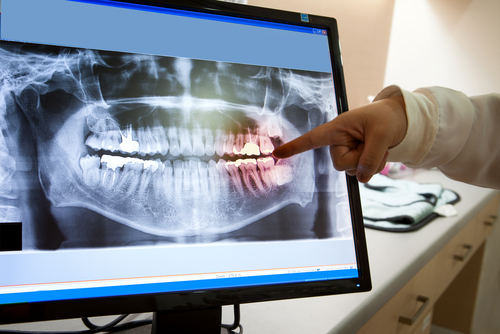
To fully understand your dental condition, we gather X-rays, health records, or digital photos. These tools help us detect problems that are not always visible during a routine exam, such as hidden decay, infections, bone loss, or damage beneath existing dental work.
With the full diagnostic picture in place, we move into the planning phase. This is where Dr. Hatland creates a timeline that addresses urgent issues first and carefully sequences the rest of the treatment. Your plan will reflect both your personal goals and the clinical needs of your mouth.
Dr. Hatland determines which teeth can be restored, which need root canals or extractions, and how to rebuild areas that have lost support. If your bite has shifted or collapsed, we include solutions to reestablish proper alignment and balance.
We also plan for healing and lab timing. Some procedures, like dental implants or bone grafting, need time to heal before moving to the next step. Your plan ensures you will have a functional and comfortable bite throughout the process, even during recovery periods.
Restoration and Rebuilding
Once the plan is finalized, we begin the treatment phase. This is where Dr. Hatland eliminates infection, restores stability, and rebuilds the structure of your smile.
Early steps often involve removing teeth that cannot be saved, treating gum disease, completing root canals, and placing temporary restorations to protect your teeth. These initial treatments reduce inflammation and create a healthier foundation for the work ahead.
We then move on to procedures such as implant placement, crown and bridge preparation, or bone grafting. These visits are carefully spaced out to allow your mouth to heal properly and to confirm that your bite and function are progressing as expected. We check your comfort and results at every stage before moving forward.
Supporting Your Overall Health Through Holistic Dentistry
We believe that your oral health is closely connected to your overall physical and emotional well-being. That is why Dr. Hatland creates each treatment plan with your overall health in mind. Instead of focusing only on a single tooth or symptom, we consider how dental problems and materials might influence other health conditions, such as heart disease, autoimmune disorders, or chronic inflammation.
We prioritize conservative treatments that preserve healthy tooth structure whenever possible and support the body’s natural healing process. One of the most effective tools we use within this approach is the mini dental implant.
Mini dental implants measure less than 3 millimeters in diameter, approximately half the size of a traditional implant. They are made as a one-piece unit, meaning the part that sits in the bone and the part that supports the final restoration are built together as a single structure. This design allows Dr. Hatland to place them in a single, efficient procedure.
To place a mini implant, Dr. Hatland creates a small pilot hole through the gum and into the bone. The process involves minimal cutting, reducing trauma to surrounding tissues. Patients typically report minimal discomfort and fast healing. Full mouth reconstruction requires thoughtful planning, especially when treating many teeth across one or both arches. Mini dental implants support this process by offering a stable foundation without the need for extensive surgery. Because they are less invasive, they help reduce healing time and lower the risk of complications.
See What Full Mouth Reconstruction Can Do for You
When daily dental problems start to affect how you eat, speak, or feel around others, it’s time for a different approach. Full mouth reconstruction is designed to restore comfort, stability, and strength where they have been lost. We take the time to understand what isn’t working and build a plan that supports your health, your goals, and your quality of life.
Contact us today to schedule a consultation. Our team is here to guide you with care, experience, and a treatment plan designed for your whole-body wellness.
Frequently Asked Questions
Costs can vary significantly from one patient to another, even within the same office. That’s because no two treatment plans are exactly alike. One patient may only need a few crowns or fillings, while another may require extractions, implants, or advanced gum treatment. Cases that involve more appointments, temporary restorations, or follow-up adjustments may also cost more than simpler, shorter treatment plans.
At your consultation, we will create a detailed treatment plan and provide a cost estimate. We’ll also review your insurance benefits and discuss financing options.
The timeline depends entirely on the complexity of your treatment. A patient receiving just crowns or bridges will complete care much sooner than someone who needs multiple procedures like extractions, dental implants, bone grafting, or orthodontics. Some treatments also require healing time between stages.
Once we assess your needs, we’ll outline the full process and provide a realistic timeline.
Many patients find that full mouth reconstruction restores their ability to eat, speak, and smile without discomfort. It can relieve long-standing pain, reduce the frustration of unstable dentures, and improve overall oral function.
Research has shown that implant-based reconstruction in particular can significantly improve quality of life. Whether it feels worth it depends on your specific situation and goals, especially when the long-term benefits clearly outweigh the cost, time, and effort involved.